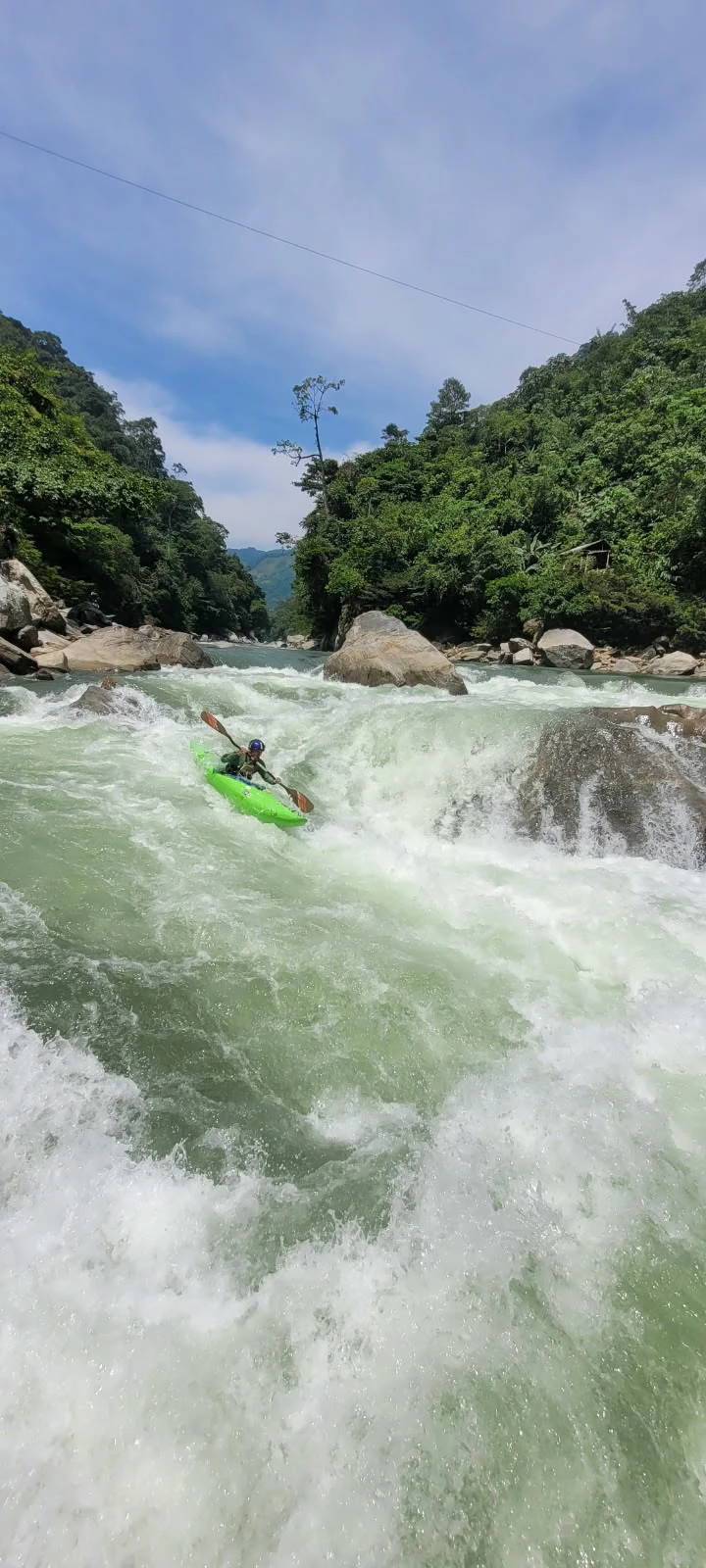
kayaking in colombia
All you need to know about kayaking in colombia
17 Oct 2026
All you need to know about kayaking in Colombia
Colombia
has become, in the last decade, one of the favorite destinations to paddle in
South America. Why? The three ranges of the Andes, the tropical weather, the
happiness of the people, and the magnetism of its culture—combined with
affordable prices and stunning scenery—make this country a real paradise for
every paddler who wants to escape winter and low water. However, Colombia is
not a mainstream destination due to the recent opening up of the country, and
it can be hard to find all the data you need to organize your next paddling
trip by yourself. So, here is a little guide to help you get all the knowledge
you need for your Colombian kayak vacation.
When is the good season?
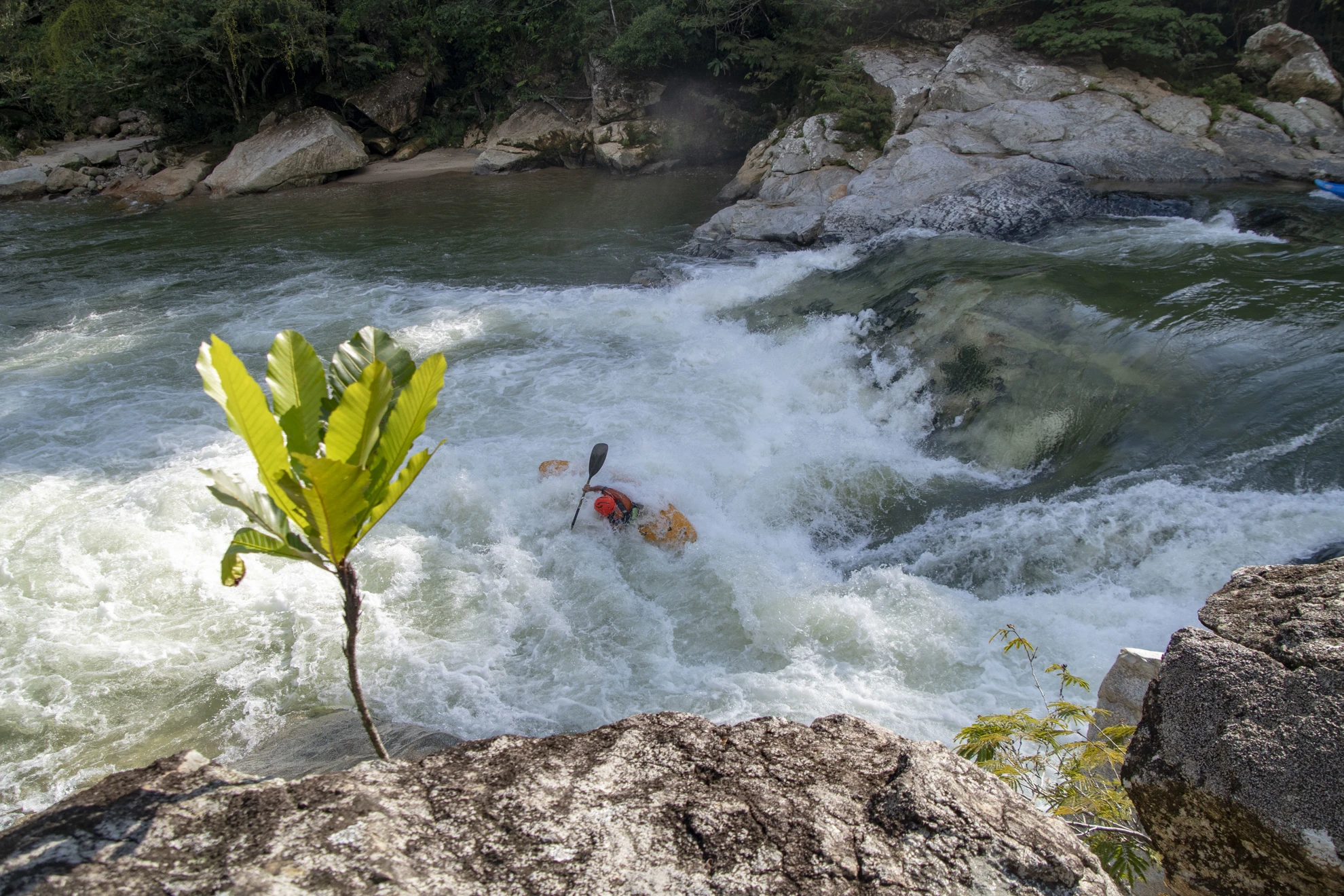
The awesome thing about Colombia is that you can paddle all year long.
You have a rainy season and a dry season, but with both, you can paddle different
rivers or sections. So, depending on your expectations, you will always have a
good reason to come here to paddle. However, climate change make the weather
more unpredictable than he use to be. The rainiest months are usually October,
November, mid-December, April, and May.
“ My advice: If you want to challenge yourself with really high water come in November but if you want to enjoy crystal clear water and easy flows January and February will be your moment ”
Where to land? And where to go?
You have
two options to arrive in Colombia: Medellin or Bogota. These are the two
biggest cities in the country with international airports. However, if you land
in Bogota, the logistics to get to the river will be way harder because you
will be far away from any river to paddle, especially if you arrive with your
kayak, because Bogota's taxis don’t have roof racks. Medellin is the easiest
way to go due to the proximity of the airport to the Samana valley (1h30),
which makes it easy to organize a shuttle for you, your team, and your kayaks.
Now that
you are in Colombia, an important question in such a big country is: where to
go paddling? Here is a list of the main places:
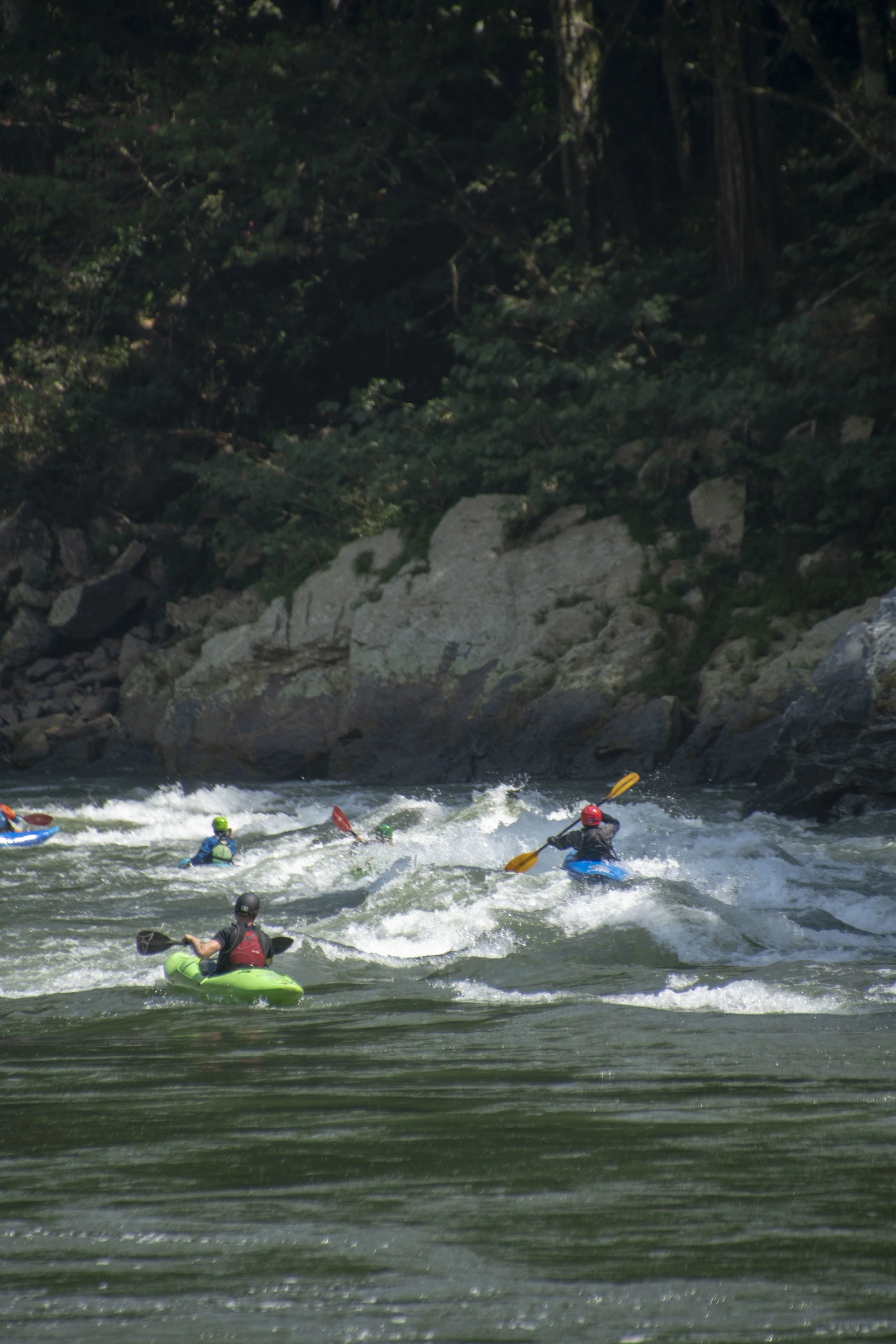
· San gil (Santander): Often referred to as Colombia's adventure tourism
capital, San Gil is a small town located between Bogotá and Bucaramanga. It was
one of the country's first destinations to develop adventure sports and has
since become one of Colombia's most popular outdoor tourism hubs. Its growing
popularity, however, has inevitably taken away some of the authenticity and
charm it once had. Well known for the Rio Suarez and the Grand Canyon of the
Chicamocha. Mainly big water style, the “todo suarez” is definitely a multi-day
run reserved for class V paddlers. Day trips on the Chicamocha or the
commercial section of the Suarez are more accessible to a majority of paddlers.
The dry scenery and the cacti everywhere contrast with the ecosystem of other
regions.
Tobia (Cundinamarca): This charming little village, even if it has only
3 rivers to paddle, is definitely worth spending 2 or 3 days in. Logistics and
accommodation are really easy, as you are right at the put-in and the take-out
of different sections. The black waters of the well-named Rio Negro will
require you to take a moment to adapt your river-reading skills. What is more,
the local kayak community is really friendly and there are a lot of young guns
always ready to paddle with you.
San agustin (Huila): Located far from the country's major cities and
tourist routes, San Agustín requires a longer journey to reach. That isolation
adds to its authentic atmosphere and rich cultural appeal, but makes it a less
obvious choice for travelers seeking a true adventure destination. Far away
south stands the little town of San Agustin, close by the headwaters of the
mighty Magdalena river (the biggest river in Colombia). Enjoy the Andean
culture and the numerous sections of the Magdalena river. The weather is
definitely colder because of the altitude.
Medellin/cocorna:
the mecca of kayaking in Colombia. This valley has it all, and with seven
different rivers ranging from steep creeking to big water, day trips to
multi-days, and class II to class V runs, everybody will be happy. This variety
makes it easy to choose an experience that matches your expectations, whether
you're after a short, adrenaline-filled run or a multi-day expedition deep into
nature. Easy logistics from the international airport and accommodation in the
kayak hostel La Mestiza make the location kayaker-friendly. Río Samaná is one
of Colombia's last great free-flowing rivers. Once heavily affected by conflict
and instability, it has become a powerful symbol of the country's transformation
and the recovery of its natural landscapes. Throughout the journey, you'll
paddle through an environment that remains remarkably untouched, far from
Colombia's busiest tourist destinations. The surrounding wilderness creates a
genuine sense of isolation and adventure that's becoming increasingly rare.
“ My advice: Land in Medellin and go directly to the Samana valley. This is a great base to start your trip rent kayak and organise logistics. ”
Kayak situation
As in
most countries in South America, Colombia has no kayak shops, so don't expect
to buy a kayak for your trip when arriving.
You only have two options:
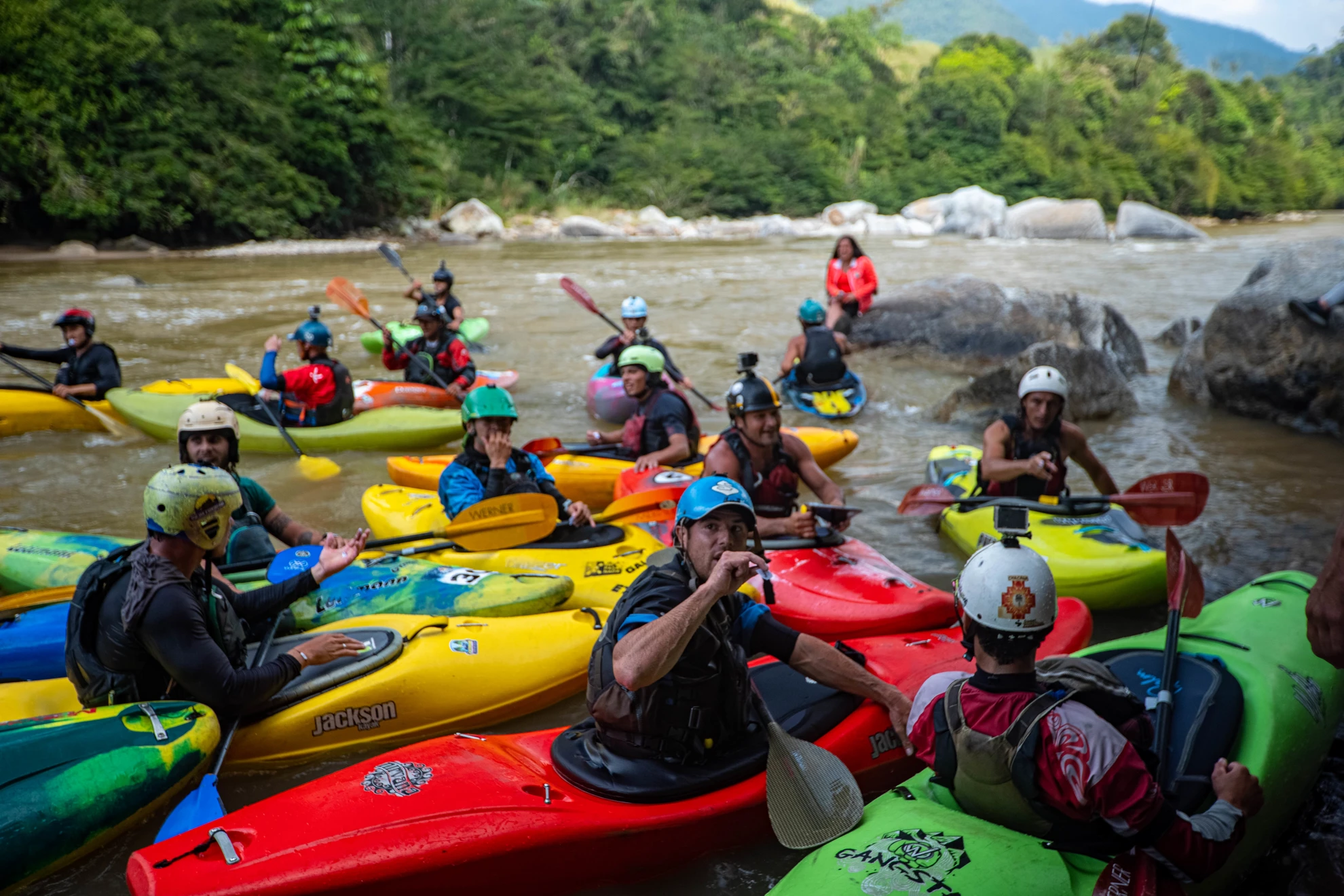
- Flying with your kayak: Make sure your airline is kayak-friendly and able to take your “windsurf board.” As we already said, it will be easier for you to arrive in Medellin than in Bogotá (not impossible, but more expensive for the shuttle). If you fly with your kayak, locals will probably be interested in buying it if the price is reasonable, considering the standard of living here.
- Rent a kayak: Some members of the local kayak community may have boats for rental, but only the company Expedition Colombia has a large fleet of modern kayaks available. The price always depends on the state of the boat and the duration of the rental.
“ My advice: Don´t bother bringing a boat for a short trip as it´s always complicated to fly with a kayak (I´ve been there). ”
Logistic
As
kayakers, we know that this is always a tricky point: how to move around with a
kayak and gear. So, here is a little overview of what your options are:
-The bus: The cheapest way to move around. In Colombia, public transportation is really developed, which makes it really convenient to go anywhere. However, taking the bus with a kayak requires a wise balance of patience, serenity, and bargaining skills, so some knowledge of Spanish is more than needed. What is more, it's really hard to fit more than 2 kayaks in one bus, making it a major hassle for large teams.
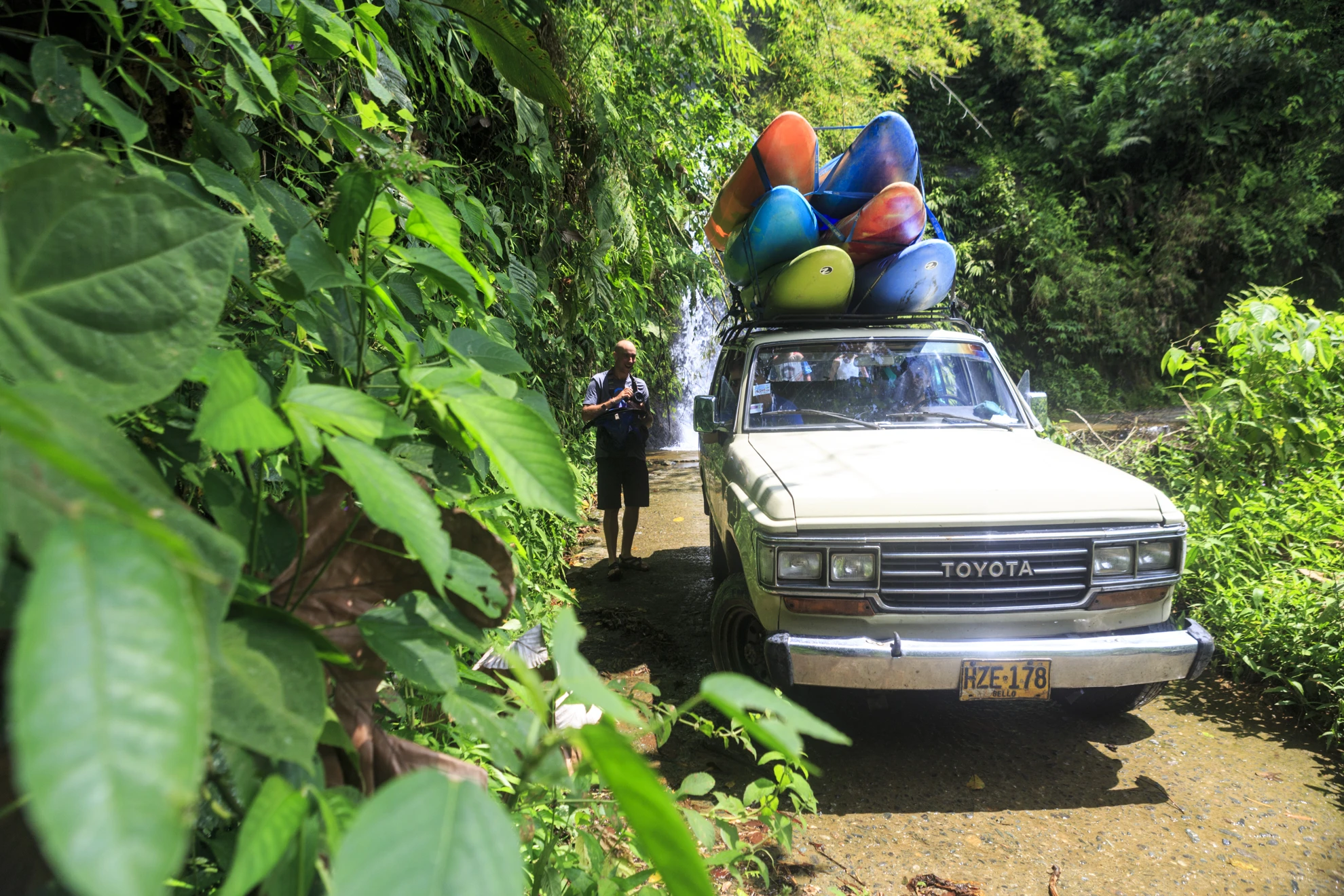
-Car and driver: The most efficient way to go paddling, especially with limited time, but… make sure the driver and the car are reliable. Sometimes the cheapest option ends up with a broken car on the side of the road or a driver totally lost trying to find the put-in of a river. If you have a group of up to 4, you can fit in a pickup truck with 4 kayaks; if you are more than that, you will need a minivan.
-Rent a car: This option is very expensive in Colombia and always a gamble in terms of availability. Driving in Colombia requires a 4x4 vehicle and some combat skills to survive the crazy driving, potholes, donkeys on the roads, and landslides. Think twice before considering this option.
“ My advice: use the bus for long distance (for example Medellin- Tobia) and hire a car and driver for local logistic. ”
Weather, paddling equipment and multiday gear
Colombia
is a tropical country, so the weather is mostly warm and humid. Temperatures
fluctuate between 18 and 30 degrees Celsius depending on the location and the
altitude. Days are usually hot and sunny, while nights tend to be cooler and
rainy.
For that kind of climate, you want to have long-sleeve clothes to protect you from the sun and from the bugs. A short-sleeve dry top is enough, as the water is always around 20 degrees Celsius. Prefer closed shoes to protect your feet from bites and scratches (every little injury can get infected quickly with this kind of weather). A dry suit will be totally useless here and more of a dehydration risk.
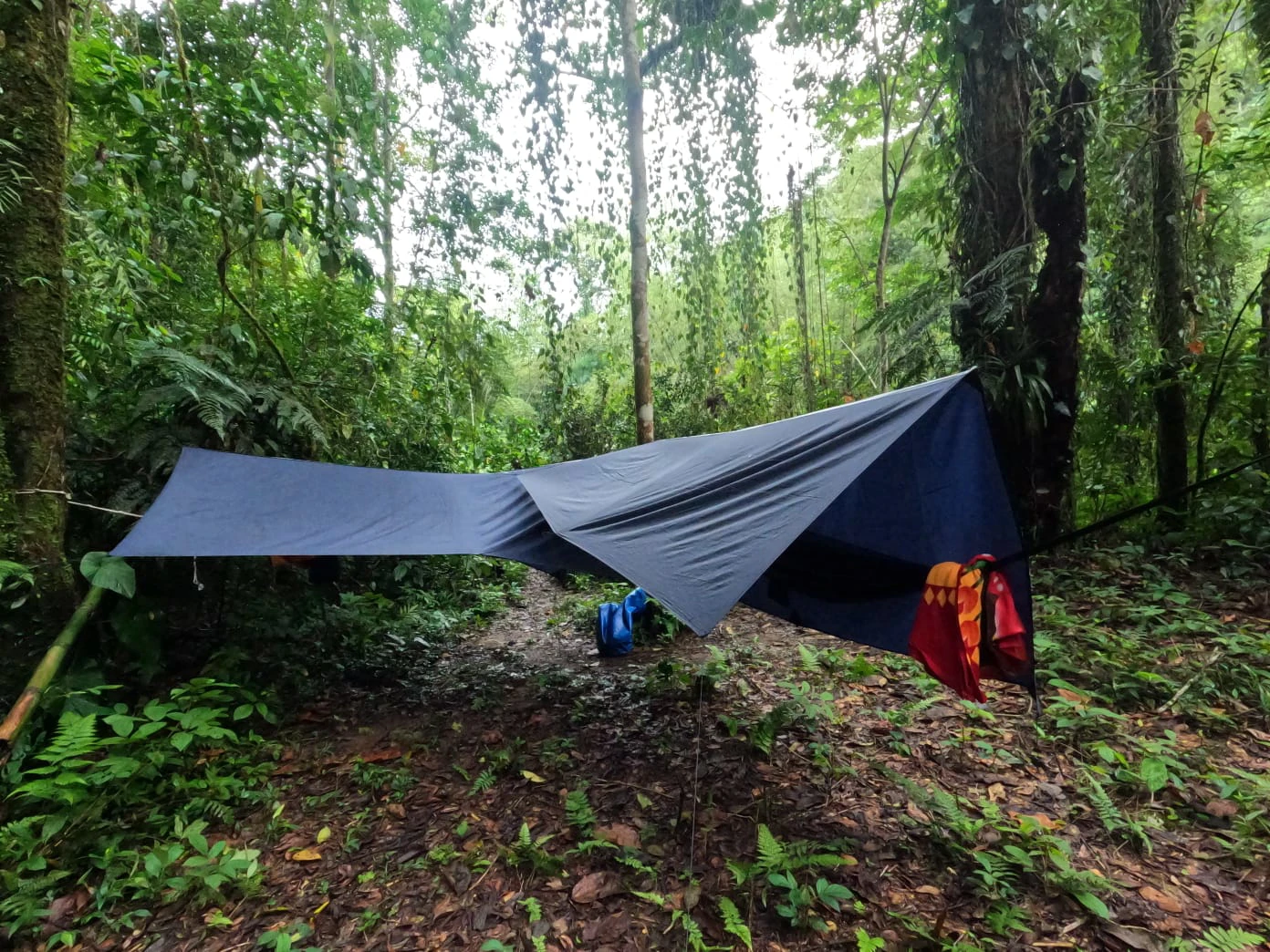
For multi-days, avoid tents, as they are not really made for a jungle ecosystem, and prefer a hammock and a tarp. A lightweight sleeping bag (max 10°C) will be more than enough to be comfy at night. A stove is a must, as it is sometimes really hard to make a fire with these levels of humidity. Make sure you also bring a water filter to have a way to drink clean water
“ My advice: I use football socks to protect my legs and still wear shorts ! ”